

Australia runs more than 535 music festivals each year. Someone has to make every single one of them work!
Festival coordinators are the professionals who turn creative visions into functioning events - managing budgets, vendors, permits, logistics, and the hundred decisions that happen between a concept and opening night. It's a demanding role, and one with real career momentum.
Australia's event management industry is projected to grow from USD $16.4 billion to USD $45.7 billion by 2033, and 67% of event professionals are planning to increase their event volumes in 2026.
If you're drawn to live music and events and want a career at the centre of how festivals actually run, this guide covers what the job involves, what qualifications accelerate your entry, and how to break into the industry in Australia.
What Does a Festival Coordinator Actually Do?

The Day-to-Day Responsibilities
Festival coordinators manage the operational backbone of live events. Depending on the organisation and scale of the festival, that includes:
- Budget development and financial tracking
- Vendor and supplier sourcing, briefing, and management
- Council permit and licensing applications - liquor licences, noise permits, crowd management plans
- Site layout planning and bump-in/bump-out scheduling
- Artist liaison and rider management
- Coordinating security, first aid, and emergency services
- Timeline management across departments and contractors
- Stakeholder communication - artists, sponsors, councils, venue operators
On event days, festival coordinators are the central point of contact when things shift. The ability to problem-solve quickly under pressure is as important as the planning that precedes it.
Festival Coordinator vs. Event Coordinator - What's the Difference?
Event coordinators manage a wide range of functions: corporate events, conferences, weddings, product launches. Festival coordinators specialise in multi-day, multi-stage live events - often outdoors, with larger crowds, more complex regulatory requirements, and multiple supplier teams running simultaneously.
The scope is different. An event coordinator might manage one venue and one client. A festival coordinator manages competing artist requirements, council approvals, liquor licensing, crowd safety protocols, and a team of dozens across departments - all at once.
That complexity is why business skills matter just as much as logistics skills in this field.
How JMC Prepares You for This
JMC Academy's Bachelor of Entertainment Business Management is designed specifically for the creative industries, with festival and event management as a core pathway.
The curriculum includes dedicated units in Introduction to Events, Intermediate Event Management, Advanced Event Management, and Festival Management - where students develop a major outdoor festival plan covering staging, security, licensing, and regulatory requirements. Units in Entertainment Business Finance, Deal Making, Tour Management, and Strategic Public Relations build the business foundation that generic event management courses don't provide.
JMC's teaching staff bring real festival experience. Tania Wilson has over 25 years in the industry and has worked on Laneway Festival and Soundwave.
Students learn directly from people who have run events at scale, with real industry partnerships opening pathways to internships before graduation
What Skills Do You Need to Become a Festival Coordinator?
Logistics and Project Management
Festival production runs on timelines, budgets, and detailed plans. Strong project management skills - building a schedule, delegating tasks, tracking progress across teams, and adapting when things shift - are fundamental. The best festival coordinators are meticulous planners who can also improvise when they need to.
Business and Negotiation Skills
Contracts, vendor pricing, licensing agreements, and sponsorship deals are part of the job from early in your career. Understanding how to read a contract, negotiate supplier rates, manage a budget across multiple cost centres, and structure a partnership agreement sets coordinators apart from those who only understand the operational side.
This is one of the clearest advantages of studying entertainment business management over a general hospitality or events diploma - the business fluency you build translates directly to more senior responsibilities, faster.
Staying Calm When Everything Goes Wrong
A headline act cancels four hours before they go on. A weather front moves the timeline forward by 90 minutes. A supplier doesn't show up on bump-in day. Festival coordinators deal with high-pressure situations regularly. The ability to stay composed, communicate clearly, and lead a stressed team through unexpected problems develops with training and builds over time.
What Does the Career Path Look Like?
Entry-Level Roles to Target First
Most festival coordinators start as event assistants, production assistants, or volunteers on festival crews. These roles provide practical exposure to site operations, vendor coordination, and event logistics - and they're where you build the professional relationships that lead to paid work.
Roles worth targeting early:
- Event or production assistant at a venue, promoter, or festival company
- Volunteer crew at local festivals and community events Internships with concert promoters (Live Nation, TEG, Secret Sounds) or arts organisations
- Entry-level positions at event companies that service music, film, or arts festivals
How Long Does It Take to Become a Festival Coordinator?
Most people move into a coordinator role within two to five years of starting in the industry. The timeline depends on the opportunities you access and the breadth of hands-on experience you build. Formal training that gives you business and logistics foundations accelerates that progression significantly.
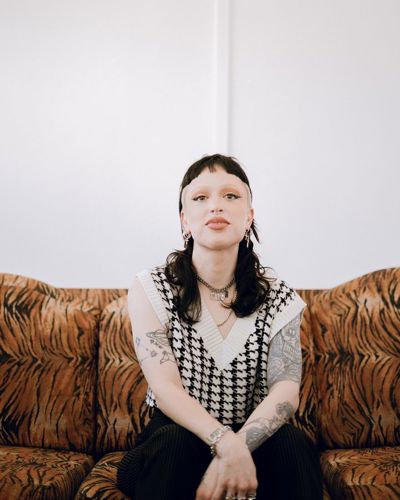
JMC graduates Ruby-Jean McCabe and Casey O'Shaughnessy both went on to become Co-Programmers at BIGSOUND - one of Australia's most respected music industry festivals and conferences. Their pathways demonstrate what's achievable when education and industry experience develop together from early on.

What Do Festival Coordinators Earn in Australia?
According to SEEK, events coordinators in Australia earn between $75,000 and $85,000 per year on average, with senior roles reaching $124,000–$149,000. JMC's own industry data places Event and Festival Managers in a range of $85,000–$150,000, depending on experience and the scale of events they manage. Sydney and Melbourne tend to offer the highest salaries, reflecting the concentration of major festival activity in those cities.
Do You Need a Degree to Become a Festival Coordinator?
Formal qualifications aren't a strict requirement for every entry-level role, but they have a meaningful impact on how quickly you progress. Festival coordination involves financial management, legal compliance, contract negotiation, and stakeholder management at a level that rewards structured education.
People who enter the field with a strong theoretical and practical foundation tend to move into coordinator-level responsibilities faster than those building knowledge entirely on the job.
What Kind of Degree Is Most Useful?
An entertainment-specific business degree provides more direct preparation for festival work than a generic hospitality or business degree. The difference is context - when every case study, project, and hypothetical is set within the creative industries, the knowledge transfers more readily to the actual role.
JMC's Bachelor of Entertainment Business Management is one of the few undergraduate programs in Australia designed specifically for this career path. It's complete in two years full-time and available in Sydney, Melbourne, and Brisbane, with intakes in February, June, and September.
How to Get Your First Festival Job in Australia

Which Australian Festivals Are Worth Targeting?
Australia has a strong festival landscape, and most major festivals rely on crew, volunteers, and junior staff to function. Many run formal volunteer programs that offer structured on-site exposure. Arts and cultural festivals - like Adelaide Fringe, Melbourne International Film Festival, and Vivid Sydney - are also strong entry points, particularly for those interested in programming and cultural event management.
Building Your Portfolio Before You Graduate
The most effective approach is treating every opportunity - student events, local gigs, volunteer roles, internships - as portfolio-building. JMC students produce real events as part of their studies, coordinating students from music, design, and other disciplines to execute shows under Entertainment Business student management. By graduation, they have documented event experience to speak to in interviews and a professional network already in motion.
Start Building Toward It Now
Festival coordination sits at the intersection of creative passion and business competency. The logistics skills develop on the job - the financial, legal, and strategic foundations are harder to build without structured education behind them. If you're serious about working in Australia's live events and festival industry, explore the Bachelor of Entertainment Business Management at JMC Academy and what it covers. Intakes run in February, June, and September across Sydney, Melbourne, and Brisbane.


